Facilities

The equipment is the accreditation

Rules 31B to 31J do not ask a centre to promise anything. They set out what it must physically have before it may call itself accredited — the track and its gradients, the simulator, the classroom hours, the instructor qualifications, the records — and an inspection establishes it is there.

So the photographs below are not decoration. They are why the Form 5B our centres issue is accepted in place of the driving test, and why a depot can send us drivers without sending somebody to check.

The figure-of-eight automated test track, photographed across the full circuit
01

The automated test track

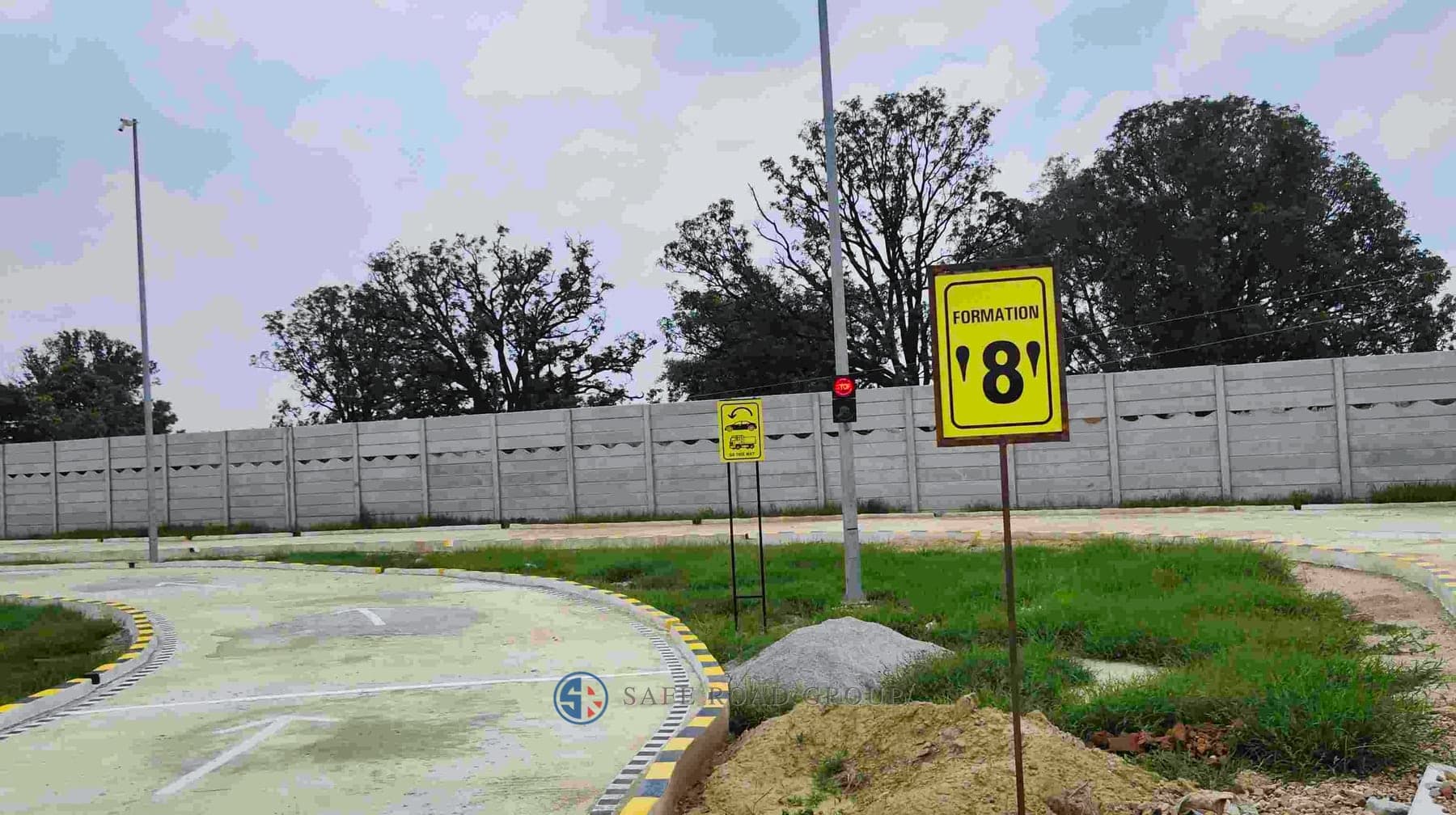
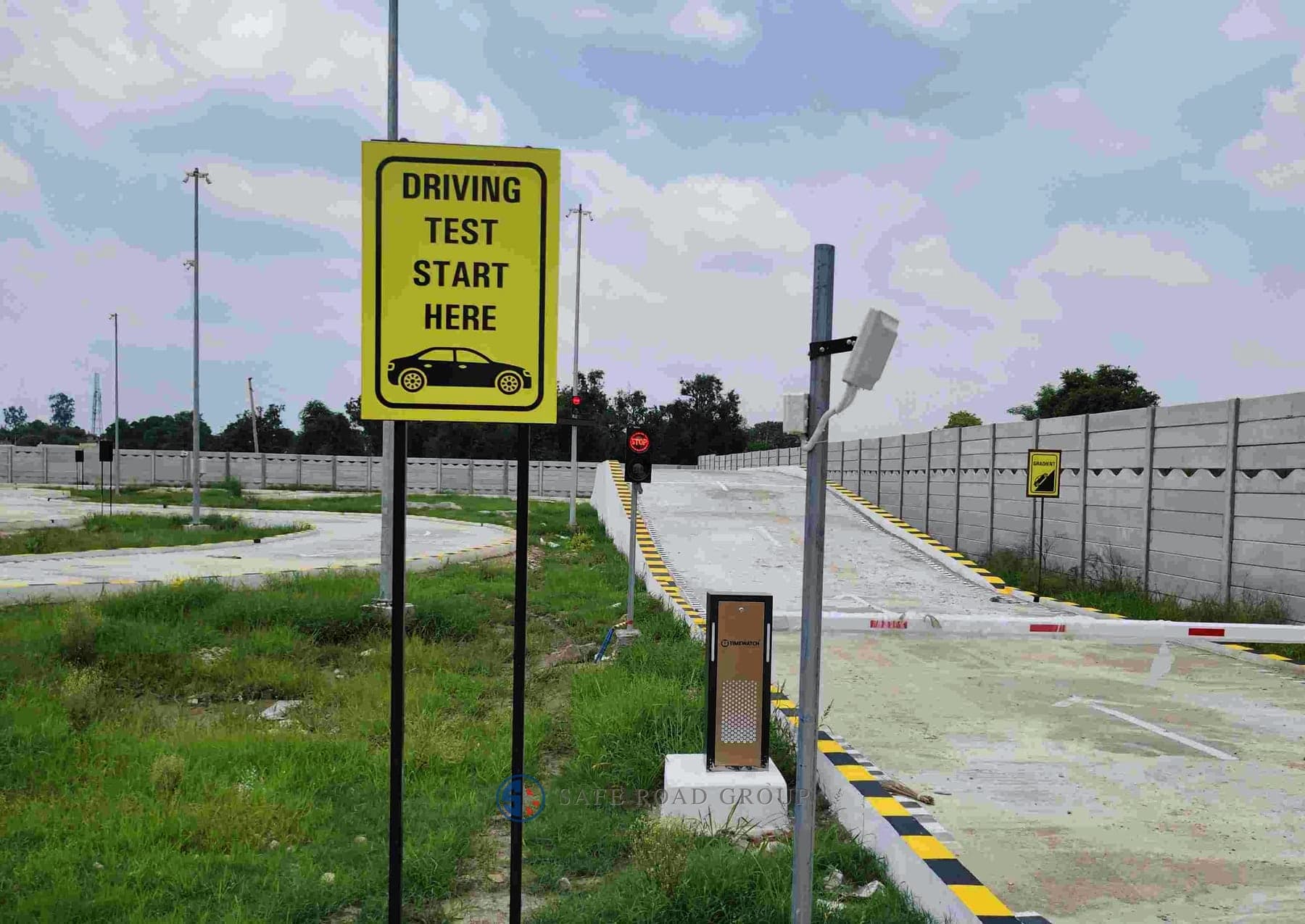
A figure-of-eight circuit laid to the specification an accredited centre must provide: the eight, a gradient, the reverse-S, angular and parallel parking bays, and a straight for controlled braking. The run is recorded automatically as it happens — the same circuit and the same criteria for every candidate.
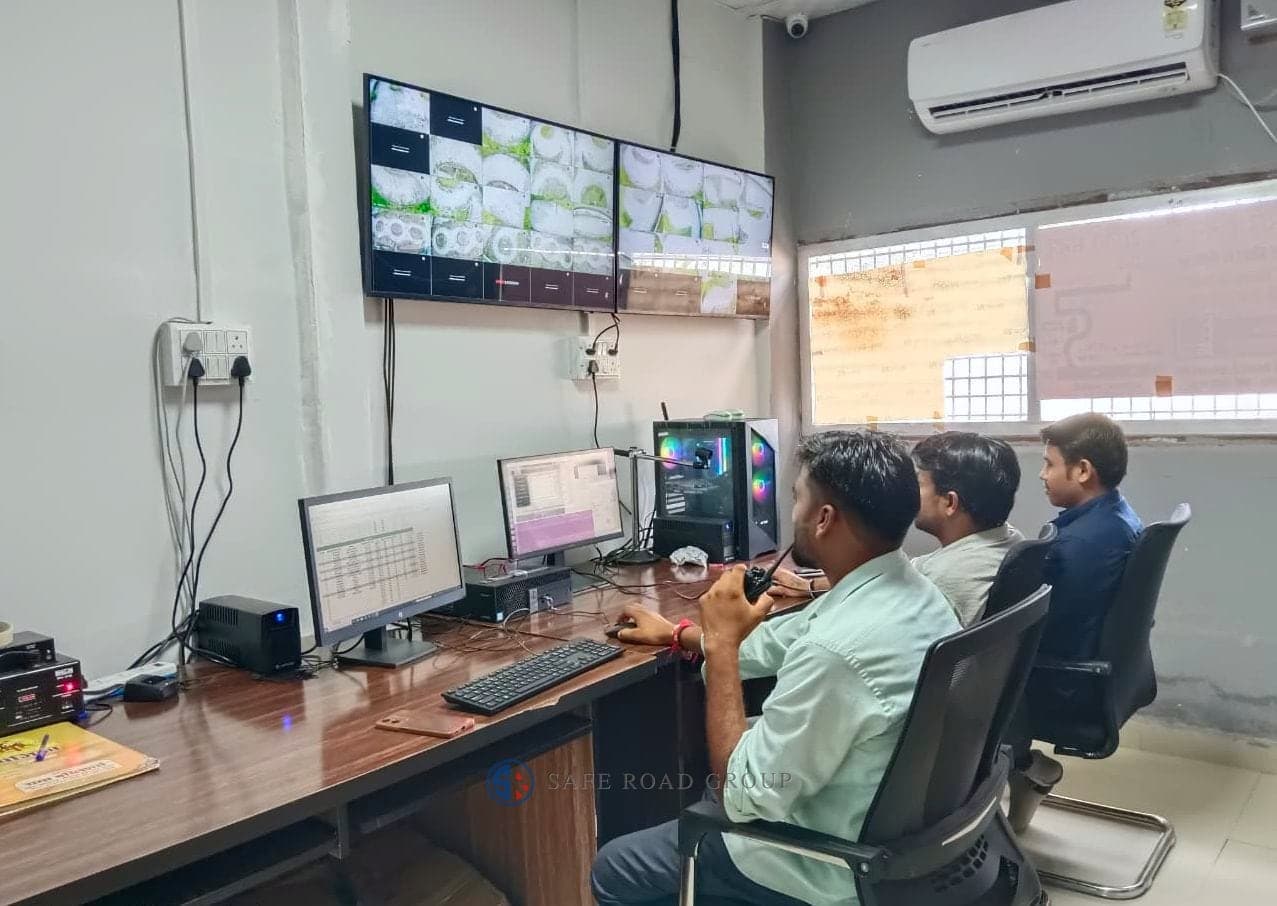
The track control room during a session — the camera wall covering the circuit, the run being scored on the monitors
02

The control room

Every corner of the circuit is on camera, and the run is scored from here. That is what lets an accredited centre conduct the test at all: the same fixed criteria for every candidate, recorded as it happens rather than reconstructed afterwards.

The simulator laboratory at the Sonbhadra centre
03

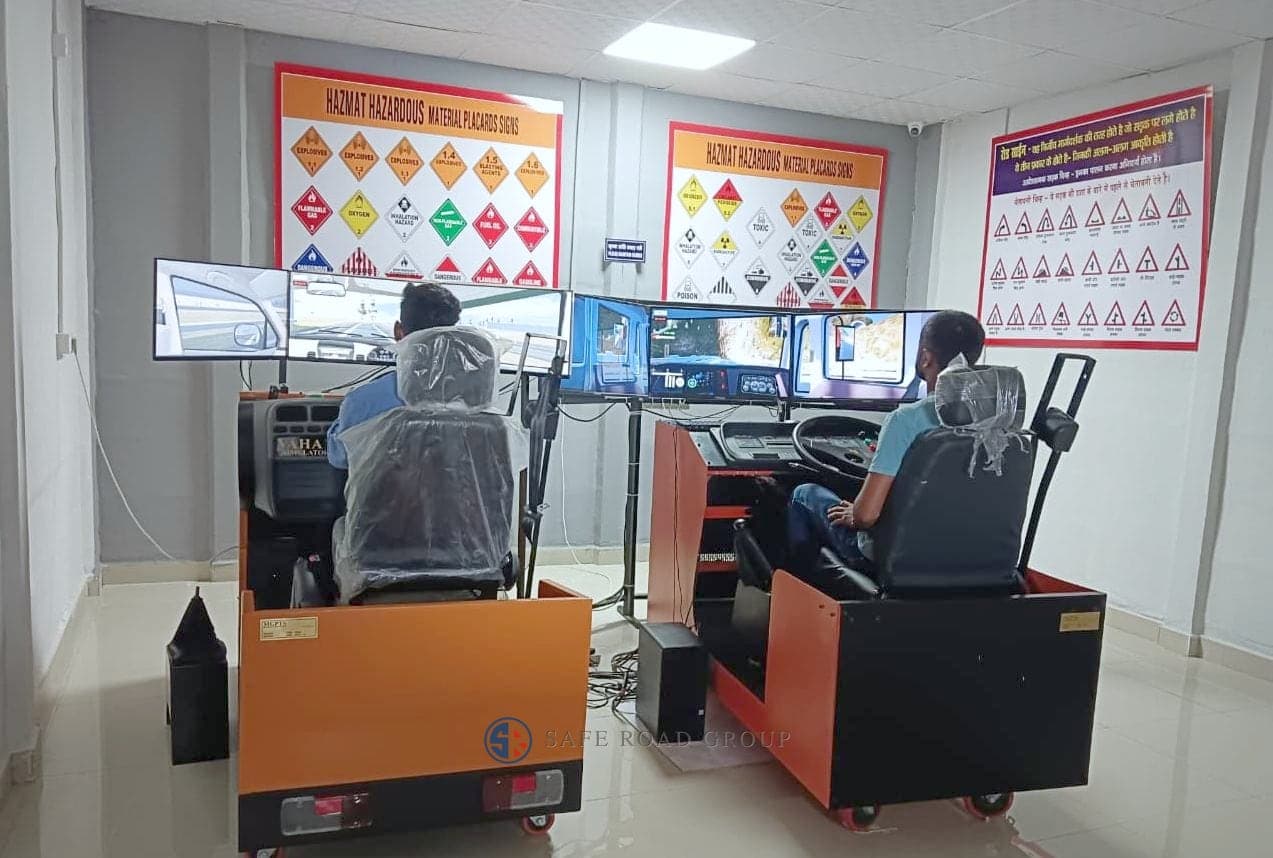
The simulator laboratory

Light and heavy vehicle rigs, used before a learner goes on the track and again for what a track cannot safely reproduce: night running, fog, a tyre burst at speed, a load shifting on a bend. It is not a substitute for road hours — it is where a driver makes the expensive mistake once.

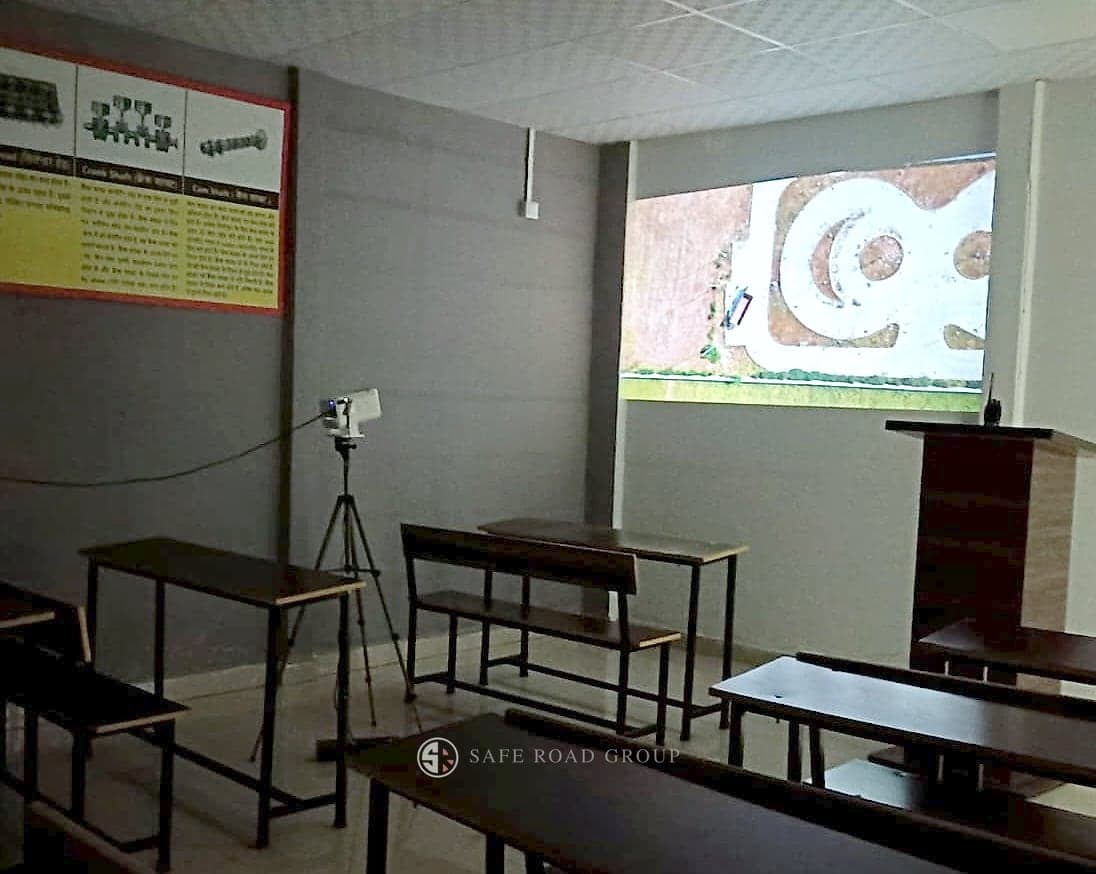
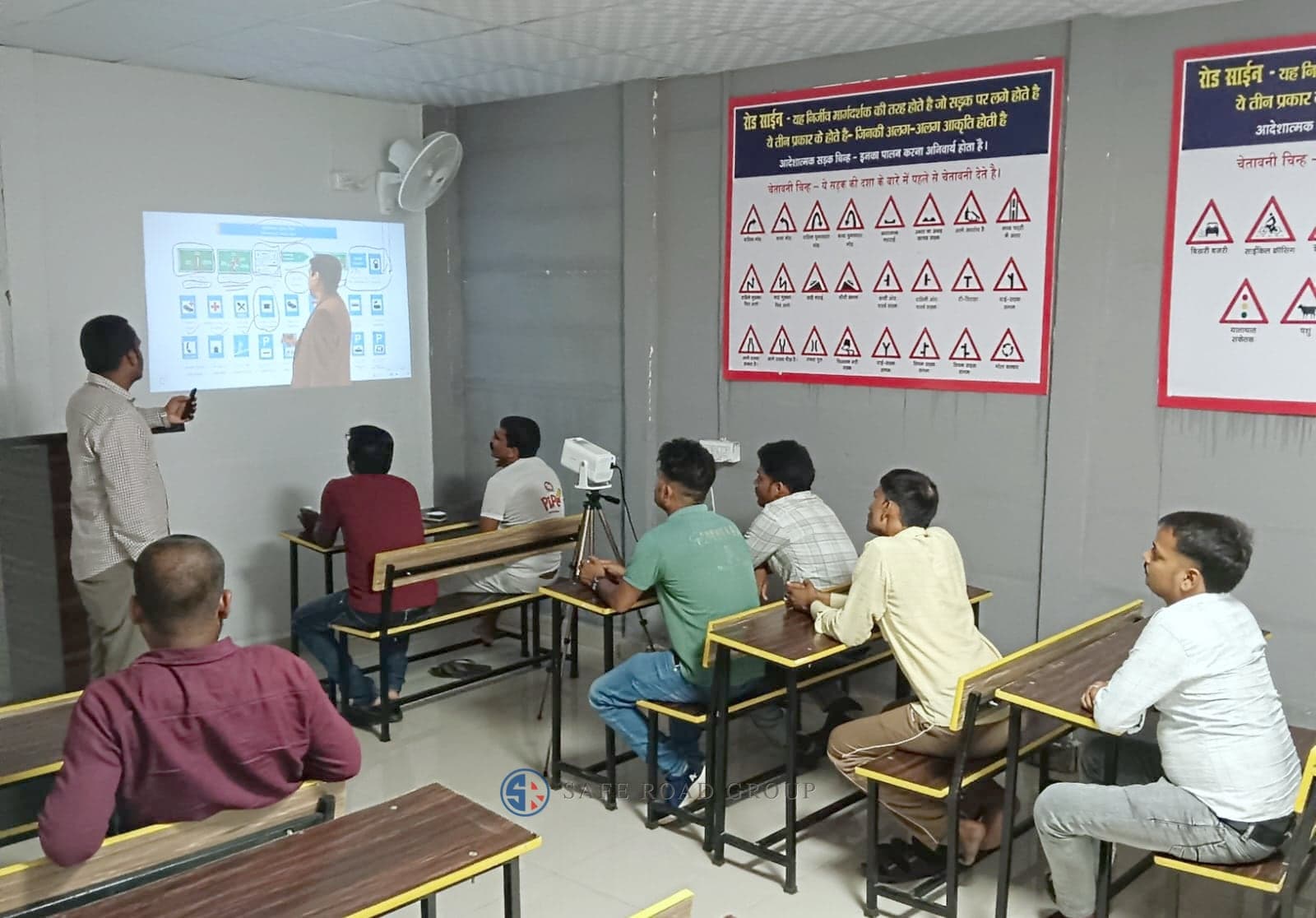
A classroom, the test track layout on the projector and a vehicle mechanism chart on the wall
04

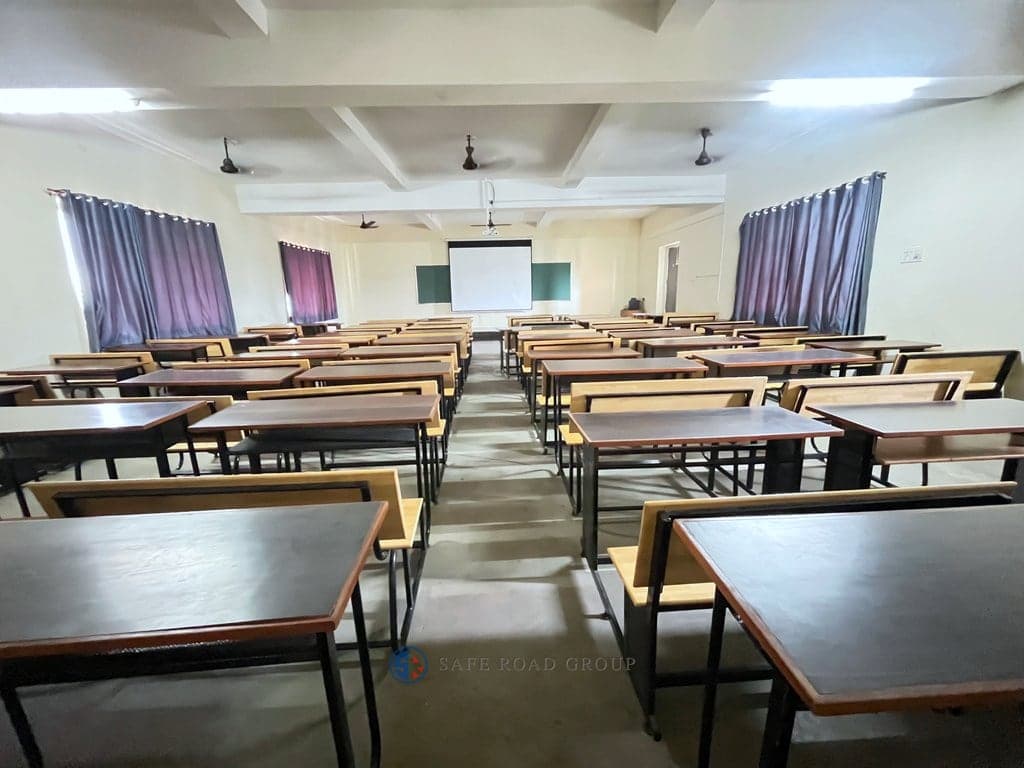
The classroom block

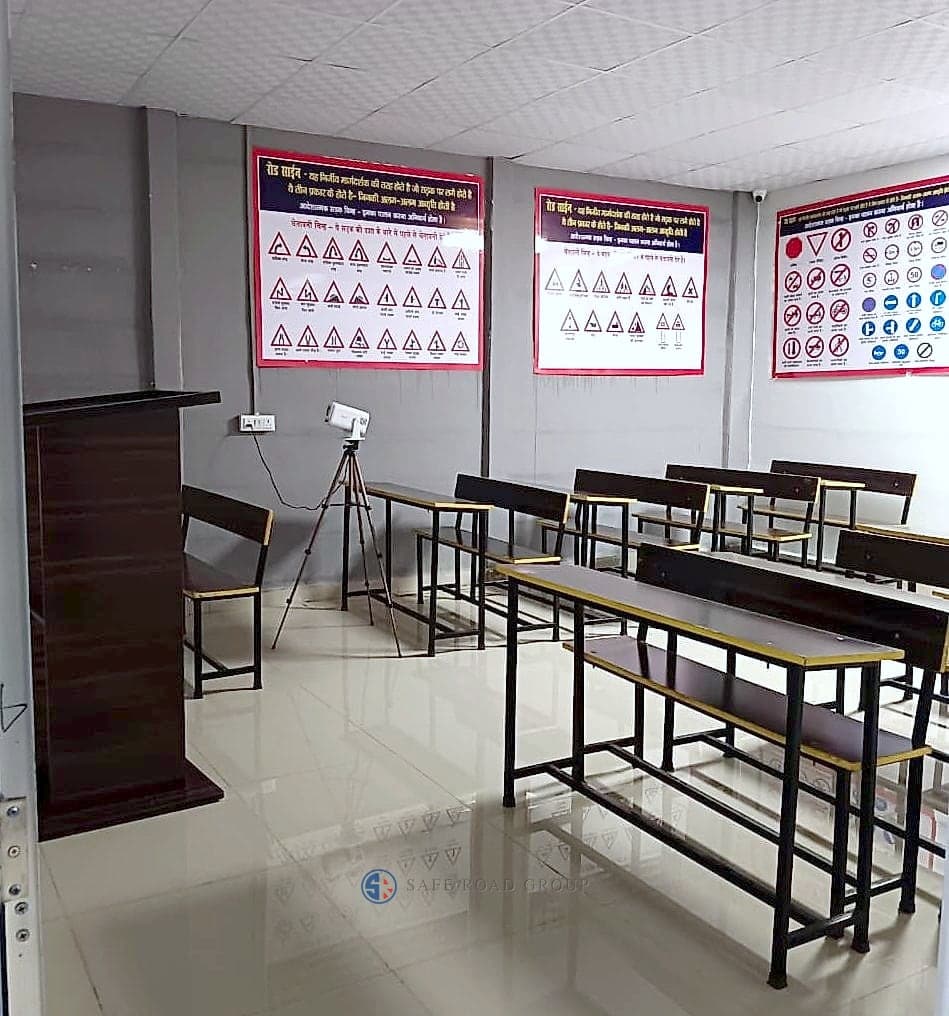
Theory hours are prescribed, not optional: 16 of the 38 hours on the heavy vehicle programme are classroom. The walls carry the hazard class and signage charts, because a driver who has looked at one for three days recognises it at a gantry. Taught in Hindi, with English material.

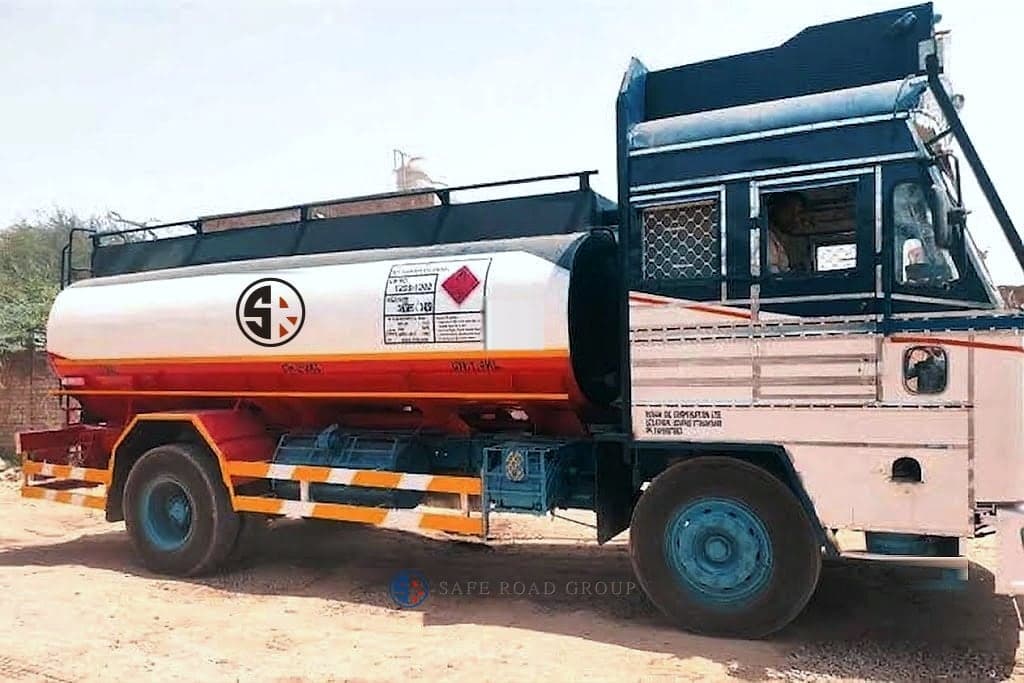
The placarded tanker used for dangerous goods practical drills
05

The practical ground at Varanasi

A placarded tanker stands here for the dangerous goods drills — hose and valve handling, bonding and earthing, extinguisher selection, the first five minutes of a leak. None of it can be taught from a slide, and all of it is what the third day is assessed on.

A track that records its own result.

That is the quiet reform in Rules 31B–31J: the same circuit, the same criteria and the same instruments for every candidate, written into the rule and checked by inspection.

Around the campuses

Photographed at our centres

Varanasi, Sonbhadra and Bhadohi, on working days.

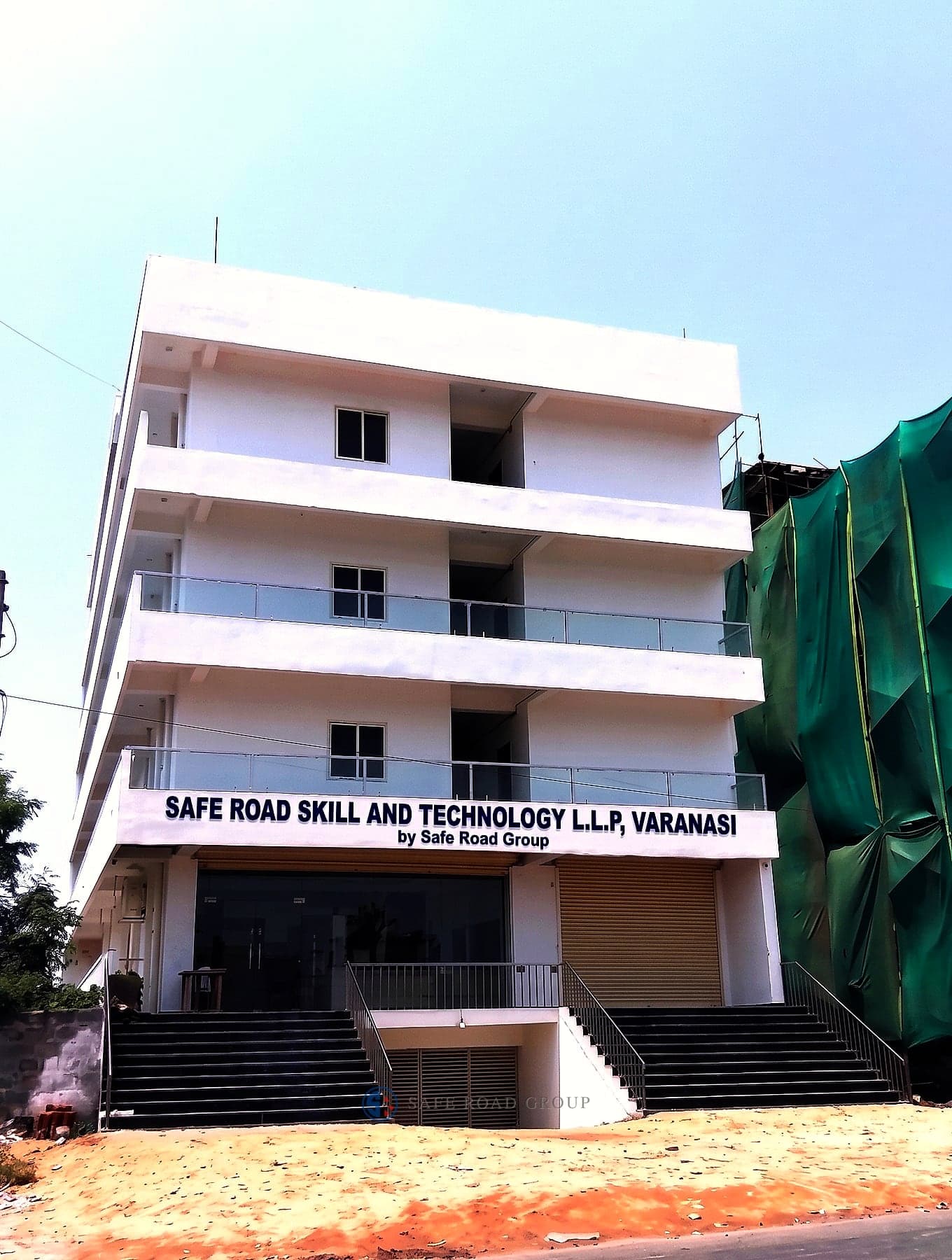
Safe Road Skill and Technology LLP, Varanasi
Seminar room
Seminar room
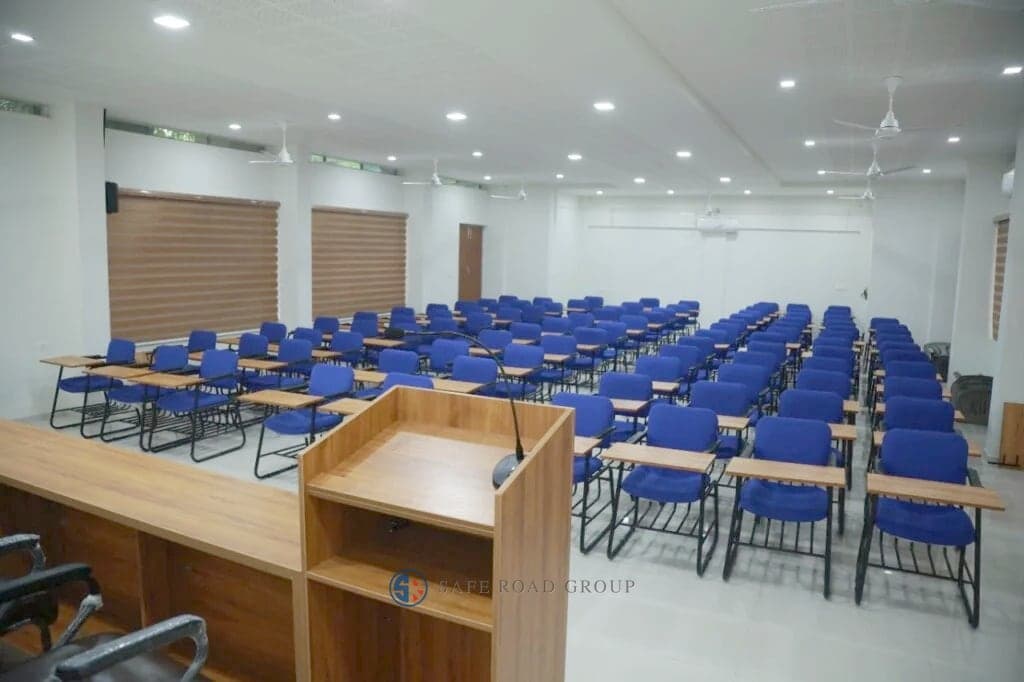
The classroom block, laid out for a batch
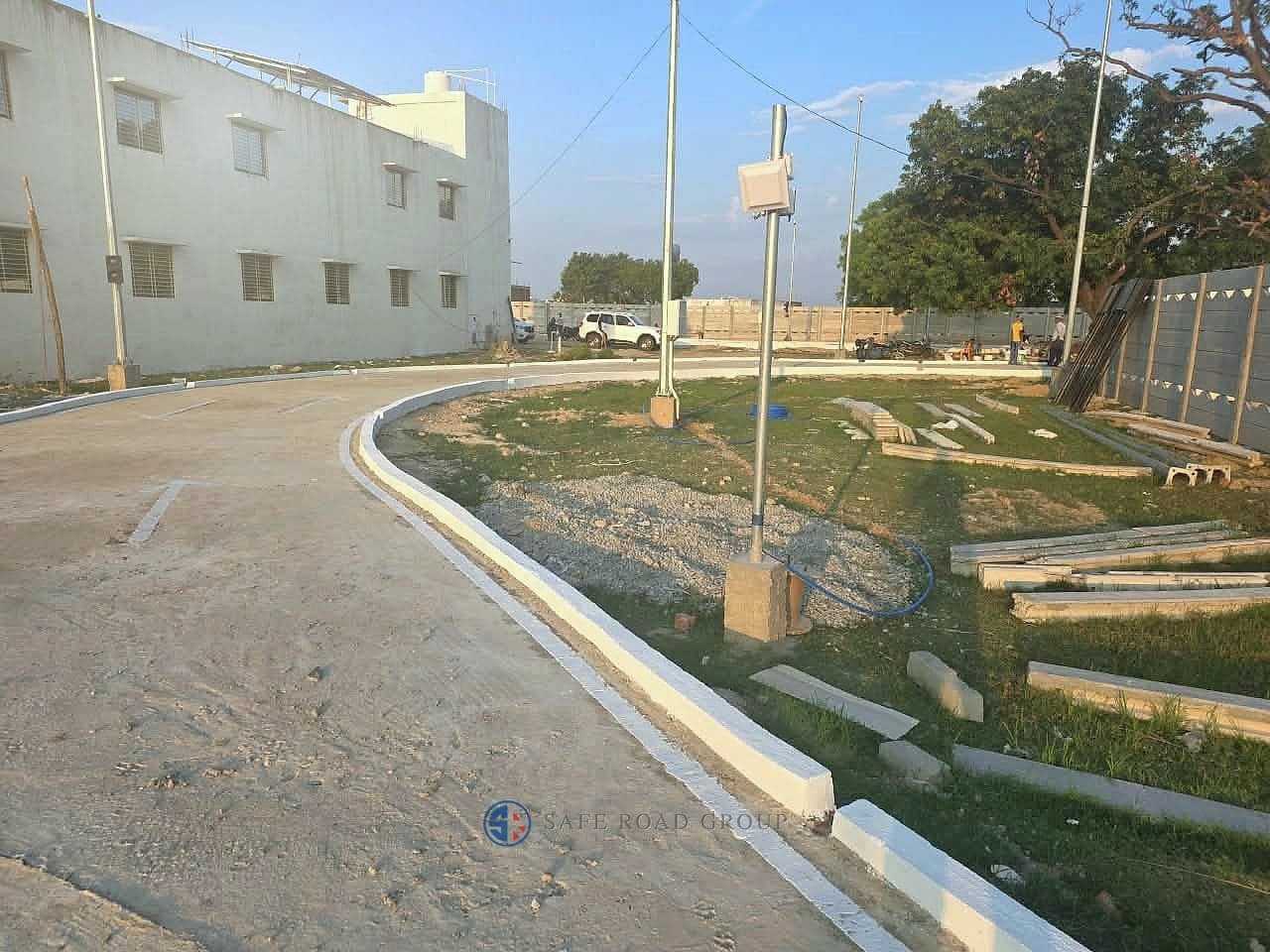
ADTC campus building
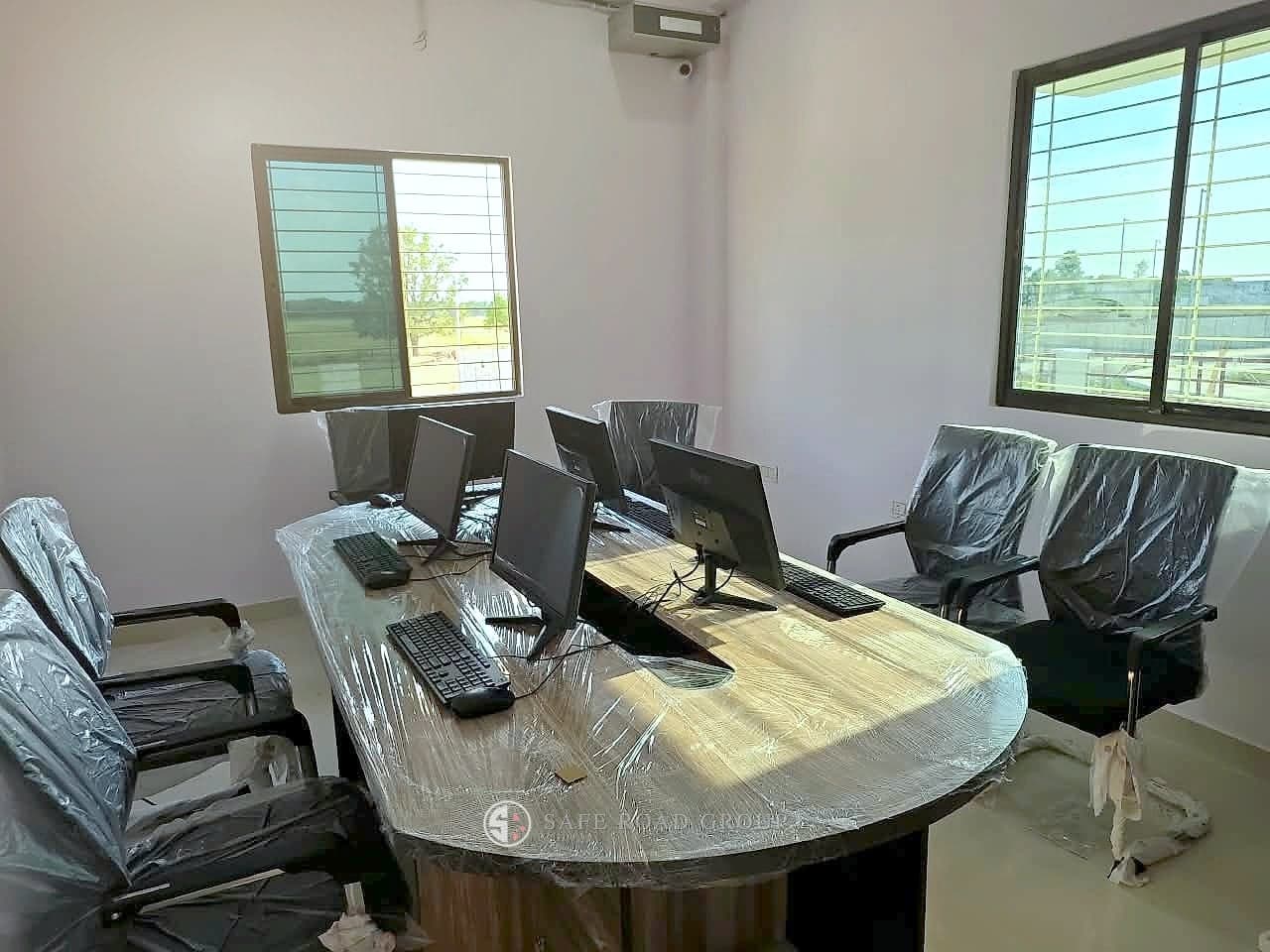
Conference room
Conference room
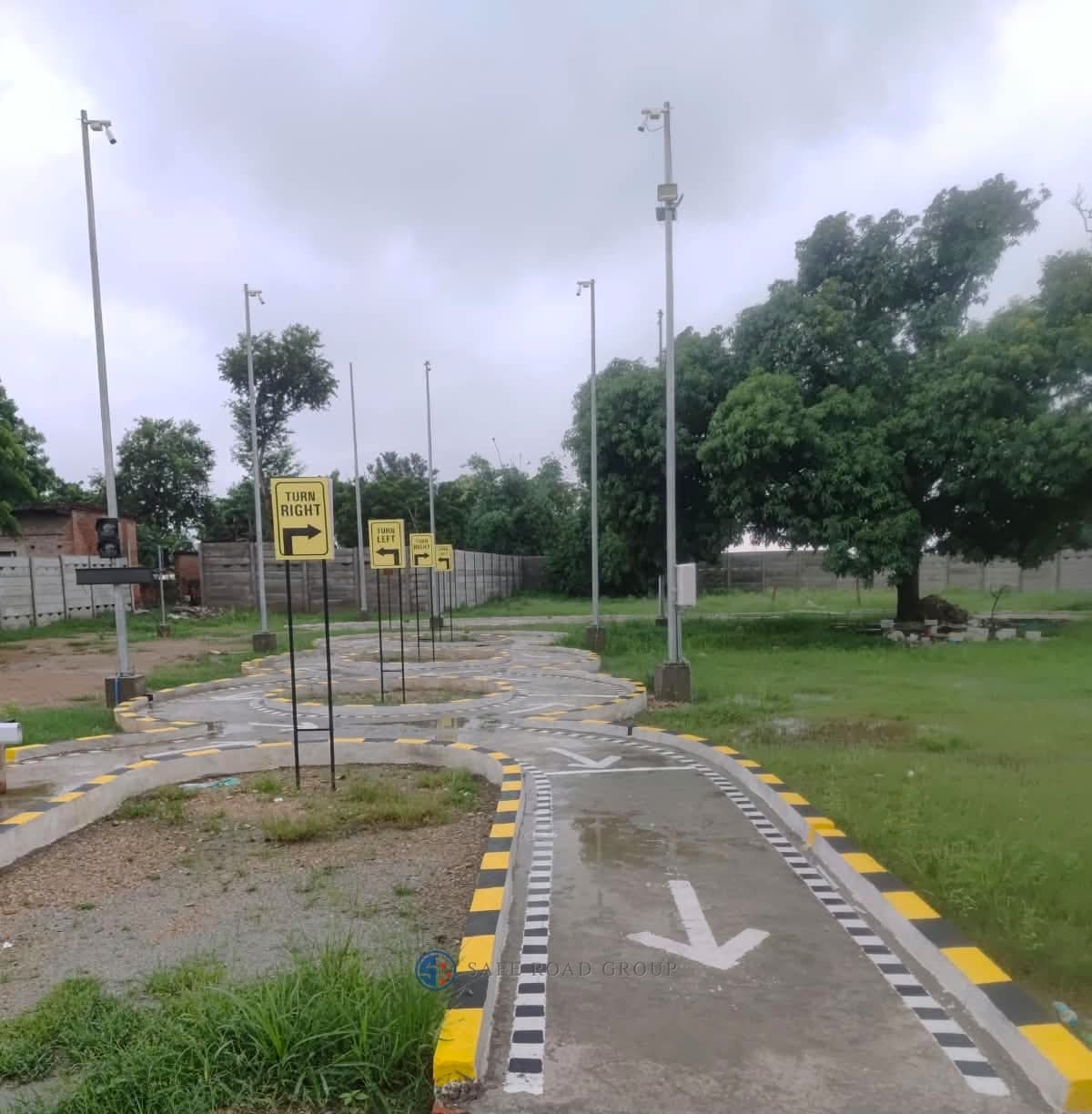
Practice circuit with road signage
Road signs and traffic rules on the classroom wall
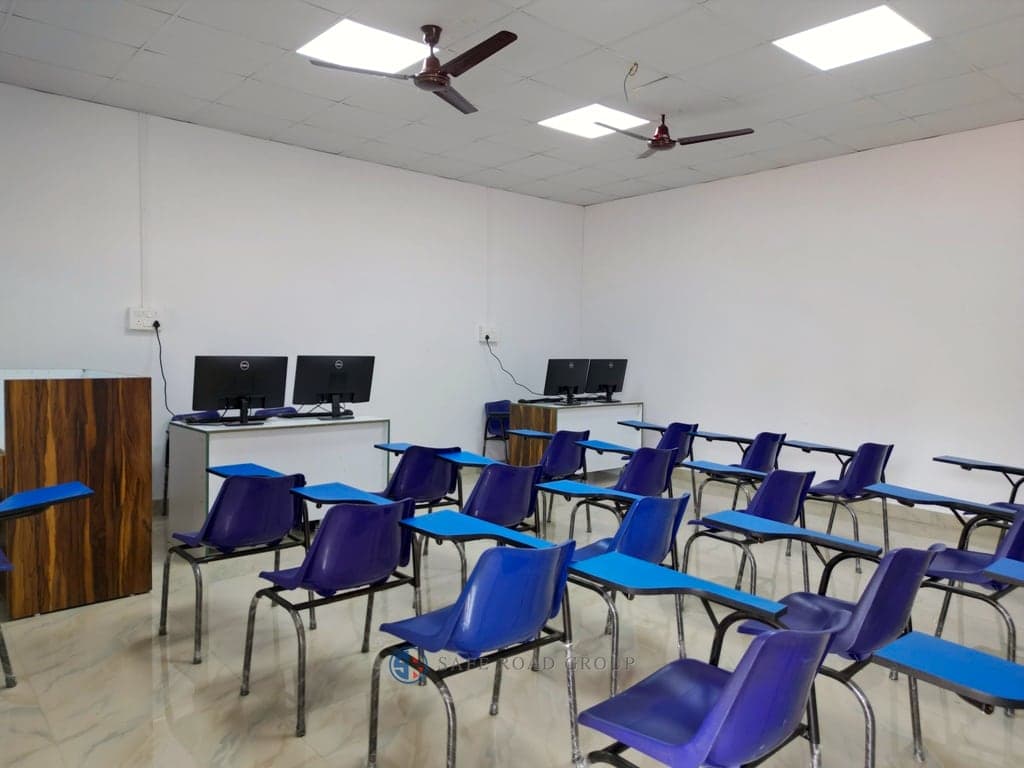
Computer-equipped classroom
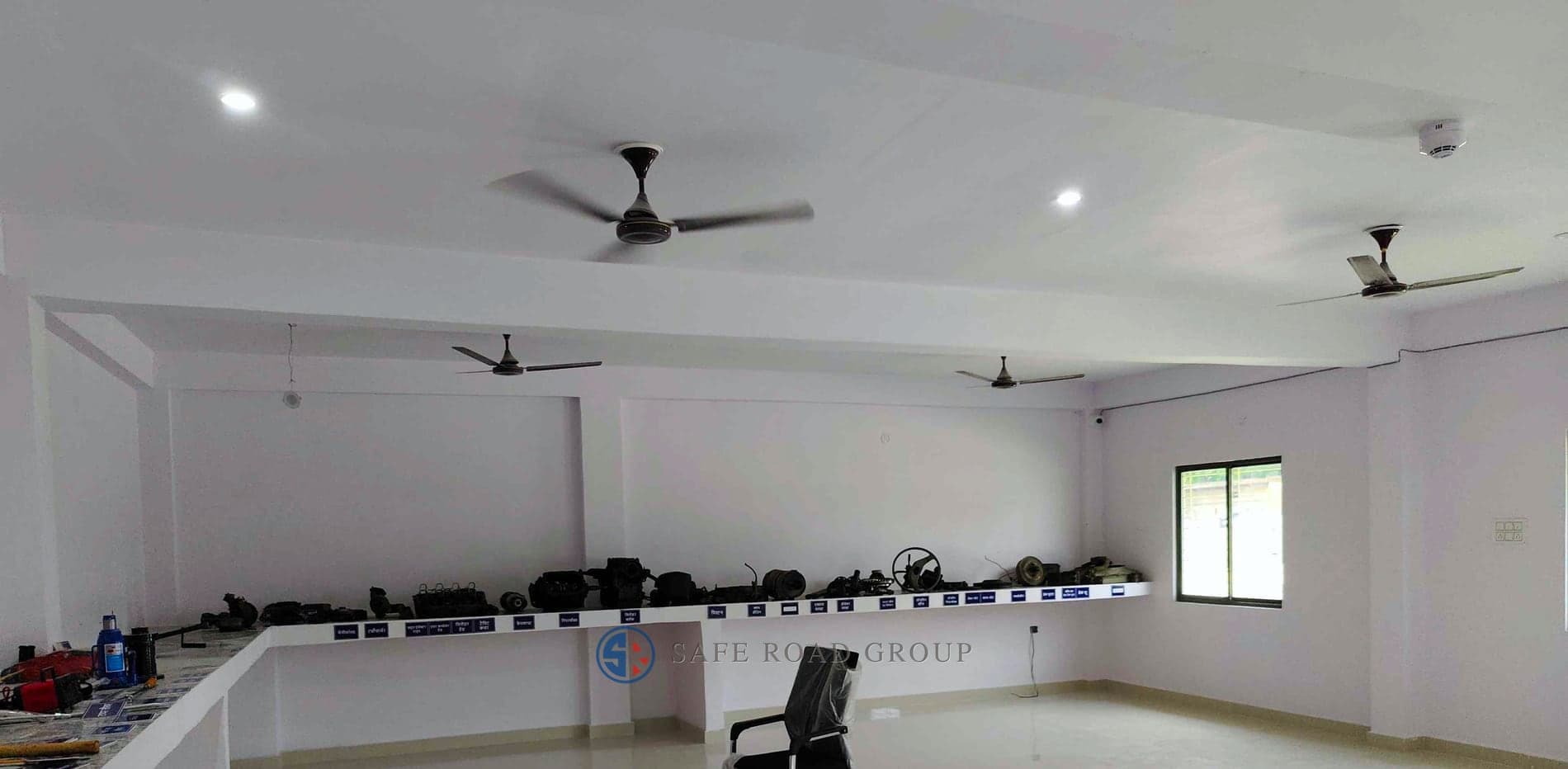
The workshop exhibits — cut-section assemblies, each one labelled
The figure-of-eight
The figure-of-eight
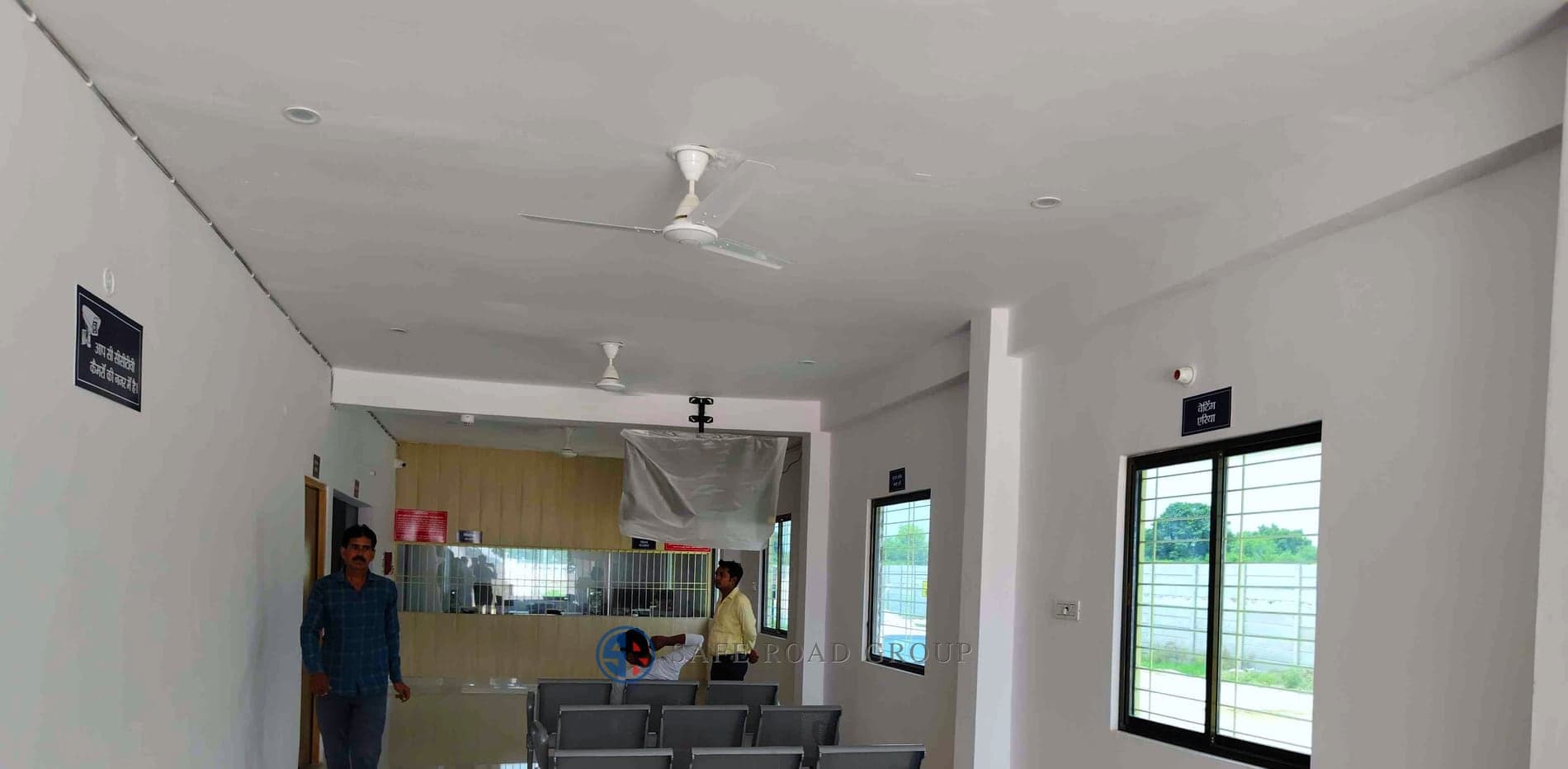
Reception and waiting area
A theory class in session
Come and look

Visits are welcome, and usually a good idea

If your organisation is going to send drivers to us, or trust a certificate we issue, it is reasonable to want to see the place first. Fleet and HSE officers are welcome at any open centre on a working day — tell us when, and we will have a batch running.